

• From Cigarettes to Cocktails: How Science Changes Social Habits

    If you had walked through the streets of an Indian city in the 1950s or 1960s, one sight would have been impossible to miss: bidis and cigarettes. They were everywhere. Men smoked while waiting for buses, chatting in tea shops, strolling through markets and even sitting at their office desks. Trains, restaurants, cinema halls and waiting rooms were often enveloped in tobacco smoke. Few objected because smoking was regarded as an entirely normal part of everyday life. The silver screen reinforced the habit. Black-and-white Indian films frequently portrayed heroes with cigarettes or cigars, symbols of confidence, sophistication and masculinity. Villains, meanwhile, were more likely to be shown with a glass of whisky in hand, and for an entire generation the label of VAT 69 became almost synonymous with wealth, decadence and moral ambiguity.

    Looking back today, that world seems almost unimaginable. Smoking has not disappeared, but it has retreated from public life. Ashtrays have vanished from most public buildings. Smoking is prohibited in offices, restaurants, airports and railway stations. Tobacco advertising has all but disappeared, and every on-screen smoking scene now carries a prominent health warning. Young people are far less likely to regard smoking as fashionable than their grandparents did. Few public health campaigns have transformed everyday behaviour as profoundly as the campaign against tobacco.

    The turning point came in 1964, when the United States Surgeon General released a landmark report concluding that cigarette smoking causes lung cancer and several other serious diseases. The report did not persuade millions of smokers to quit overnight. Habits built over generations rarely disappear so quickly. What it did accomplish was something far more enduring: it changed public understanding. For the first time, governments, physicians and ordinary citizens had an authoritative scientific foundation for treating smoking not as a harmless pleasure but as a major public health hazard.

    The decades that followed brought warning labels on cigarette packets, restrictions on advertising, higher taxes, smoke-free public places and sustained public education campaigns. Gradually, smoking lost its aura of glamour and sophistication. It came to be associated instead with addiction, disease and premature death.

    The statistics illustrate the scale of this transformation. In the United States, about 42 percent of adults smoked in the mid-1960s. Today, that figure is around 9 percent. Worldwide, the proportion of adults using tobacco has also declined significantly despite rapid population growth. More than a billion people still use tobacco, but they represent a much smaller share of humanity than they did only a few decades ago. Few public health initiatives have produced such a remarkable change in social behaviour.

    The success of the anti-smoking movement naturally raises another question. Could alcohol be approaching a similar moment?

    The World Health Organization has increasingly emphasized that no level of alcohol consumption can be regarded as completely risk-free, particularly with respect to several forms of cancer. This represents an important shift in public health thinking. For many years, moderate drinking was widely portrayed as relatively harmless and, according to some studies, even beneficial for cardiovascular health. More recent research has challenged many of those assumptions, leading health authorities to adopt a more cautious message.

    Will drinking therefore decline in the same way that smoking has?

    Perhaps—but neither as quickly nor as dramatically.

    The comparison between tobacco and alcohol is instructive because the two substances occupy very different places in human society. Cigarette smoking has no known health benefits and causes harm at virtually every level of consumption. Alcohol presents a more complex picture. Heavy drinking unquestionably damages health, but the risks associated with occasional or light drinking are generally small. That makes public messaging necessarily more nuanced than the uncompromising case against tobacco.

    Alcohol is also far more deeply woven into human civilisation. Fermented beverages have accompanied religious ceremonies, festivals and family celebrations for thousands of years across many cultures. Tobacco, by contrast, spread across the world only after the voyages of Columbus in the late fifteenth century. It never acquired the same historical and cultural roots.

    There is another important distinction. Cigarette smoke directly harms those who choose not to smoke through passive exposure. This gave governments a compelling justification for banning smoking in workplaces, restaurants, aircraft and other public places. Alcohol usually harms others indirectly—through impaired driving, domestic violence, accidents or family disruption—rather than simply through its presence. That difference makes restrictions on drinking both more difficult to justify and more difficult to enforce.

    Economic considerations further complicate the picture. Alcohol supports agriculture, manufacturing, hospitality and tourism while generating substantial tax revenues for governments. Policymakers therefore face the delicate task of reducing harmful drinking without imposing unnecessary burdens on economic activity.

    Yet social attitudes are already beginning to evolve. Surveys in several developed countries indicate that younger generations are consuming less alcohol than their parents. The rapid growth of alcohol-free beers, wines and spirits suggests that many people increasingly value the social experience without necessarily wanting the intoxicating effects or the associated health risks.

    India, however, occupies a distinctive position. Unlike many Western societies, it has never developed a universal drinking culture. For centuries, large sections of Indian society abstained from alcohol because of religious beliefs, family traditions or social customs. Even today, declining an alcoholic drink at a wedding, dinner or business gathering is perfectly normal and seldom requires an explanation. What has changed over the past four or five decades is not the disappearance of abstinence but the growing visibility and social acceptance of alcohol, particularly in urban India. Rising incomes, economic liberalisation, globalisation, changing lifestyles and the expansion of the hospitality industry have all contributed to increased consumption. State governments, too, have become increasingly dependent on alcohol excise revenues, creating an inherent tension between public health and fiscal interests.

    This history may ultimately work in India’s favour. Unlike the battle against smoking, which began after tobacco had become deeply embedded in everyday life, efforts to reduce harmful drinking can build upon an already strong tradition of abstinence. Millions of Indians have never consumed alcohol, not because of legal restrictions but because their families and communities have long regarded abstinence as a perfectly respectable choice. Public health campaigns are often most successful when they reinforce existing cultural values rather than attempting to replace them.

    History teaches that scientific evidence alone rarely transforms society. It must be reinforced by education, thoughtful public policy, responsible media portrayal and gradual changes in social norms. Cinema once helped make cigarettes appear glamorous; today it carries anti-smoking warnings whenever tobacco appears on screen. Alcohol may well undergo a similar reassessment, but India’s journey is unlikely to mirror that of the West. The country has a rare opportunity to act before harmful drinking becomes deeply entrenched in its social fabric. If science, public awareness and public policy work together, India may succeed in avoiding with alcohol what the world spent half a century trying to achieve with tobacco. That would not merely be a public health victory; it would demonstrate that the wisest reforms are those that draw strength from a society’s own cultural traditions rather than working against them.

  • The Plastic We Eat: Why Curd Could be Part of the Answer

    Our food now arrives with an invisible side of plastic: microplastics and nanoplastics that have slipped into the food chain through polluted water and soil, packaging, processing equipment, and even kitchenware. Bottled water, seafood, salt, tea bags, rice, and some fruits and vegetables are among the most implicated, with studies reporting hundreds of thousands of plastic fragments in a single liter of bottled water and microplastics in the vast majority of salt brands. While regulators like the US FDA and EFSA caution that evidence of harm at typical dietary exposures remains incomplete, other research shows these tiny particles can enter cells and may carry adsorbed contaminants, enough to justify serious attention to both exposure and mitigation.

    Into this uneasy picture comes a striking finding from South Korea. Researchers at the World Institute of Kimchi isolated a lactic acid bacterium from kimchi—Leuconostoc mesenteroides CBA3656—that can latch onto nanoplastics in the intestine, bind them, and help carry them out of the body in feces before they spread further. In simulated gut conditions, this strain maintained strong adsorption of polystyrene nanoplastics, far outperforming a reference probiotic. In germ-free mice, those given the kimchi strain excreted more than twice as many nanoplastics in stool compared with controls, suggesting the bacterium “captures” particles via biosorption on its cell surface so they transit the gut instead of crossing the intestinal barrier.

    This should resonate powerfully in India, where curd is a daily staple and a living repository of lactic acid bacteria. Home-made curd typically contains a varied microbial mix, including lactobacilli and Leuconostoc species, some of which have already been shown in Indian studies to possess probiotic-like traits such as acid and bile tolerance and antimicrobial activity. The crucial nuance is that the kimchi result is strain-specific. While the genus and even species may overlap with bacteria found in curd, not every Leuconostoc mesenteroides isolate will share the same surface chemistry that enabled unusually strong nanoplastic binding under gut-like conditions. Thus, curd can plausibly contribute to gut health and perhaps some degree of plastic sequestration, but it cannot yet be assumed to replicate the specific effect reported for the kimchi strain.

    That uncertainty points directly to a natural leadership role for the National Dairy Research Institute (NDRI) in Karnal. NDRI’s mandate, infrastructure, and access to India’s dairy microbiome make it uniquely suited to answer the exact question that matters: which Indian curd-derived strains can bind and help clear micro- and nanoplastics, and under what realistic conditions? Through its National Collection of Dairy Cultures, NDRI already maintains hundreds of indigenous lactic acid bacteria, including Leuconostoc and Lactobacillus strains—precisely the diversity needed for systematic screening. The global literature already indicates that food-derived LAB can adsorb various nanoplastics (polystyrene, polyethylene, polypropylene, PVC) through electrostatic, hydrophobic, and hydrogen-bond interactions, and can reduce nanoplastic toxicity in animal models while supporting gut-barrier repair. What remains is to identify Indian strains that retain strong binding in simulated gastric and intestinal fluids, characterize the cell-wall components responsible, and then test leading candidates in dairy matrices and animal models.

    A focused program could begin by assembling a panel of strains from NCDC and regional curd samples, then screening their biosorption capacity across different nanoplastic types and conditions. Mechanistic work would map which chemical groups on bacterial surfaces drive binding, informing why some strains perform better than others. Top performers could then be incorporated into standardized curd prototypes to assess viability, sensory impact, and stability—core strengths of NDRI’s dairy technology teams. Ultimately, small human pilot studies could measure fecal microplastic loads and gut-health biomarkers in volunteers consuming candidate curd versus control, laying the groundwork for larger trials and, if successful, evidence-backed functional dairy products.

    The stakes go beyond one fermented food. Such research would generate India-specific evidence on a ubiquitous exposure and a culturally central food, catalyze innovation in the dairy sector, and position India as a leader in food-based mitigation of plastic-related risks. In a world where plastic has become a near-ubiquitous companion at every meal, the most practical antidotes may well come from our own culinary traditions—provided we invest the science to turn promising observations into reliable, scalable solutions.

  • We Are One Species: Why the Race Debate Misses the Point

    Humanity’s story is often told as a tale of races—distinct categories of people separated by biology and destiny. But this narrative, deeply embedded in culture and history, contradicts what modern genetics and evolutionary science actually tell us. To understand human diversity, we must first understand a crucial distinction: the difference between species and races. This distinction is not merely academic; it shapes how we understand ourselves and each other.

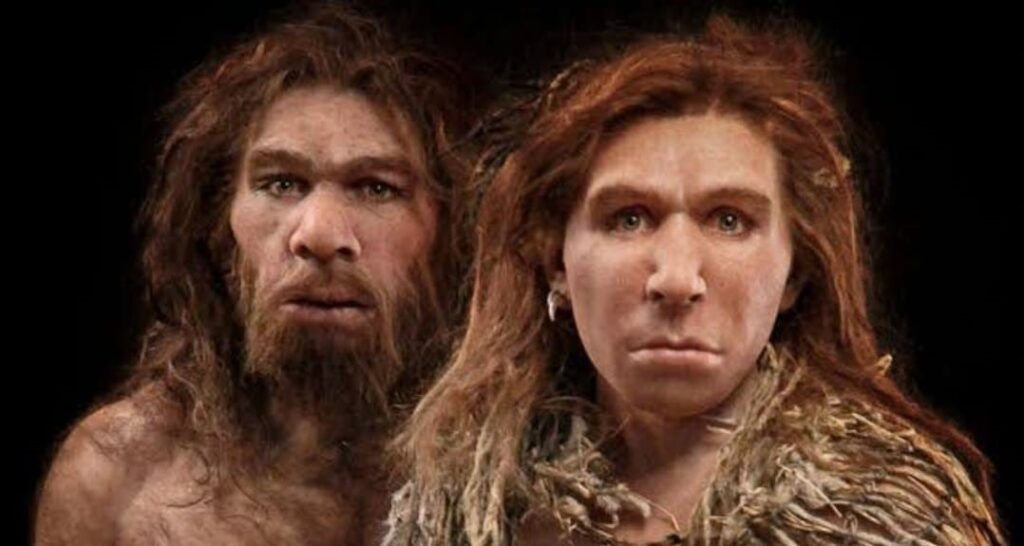
    Twenty-one hominin species once walked the Earth. From Homo habilis to Homo erectus, from Neanderthals to Denisovans, these were genuinely different species—biologically distinct populations that had diverged over millions of years. They could not interbreed successfully, or if they did, their offspring were sterile. These were not variations of the same human; they were fundamentally different kinds of humans. Over time, all but one disappeared. We survived. We are Homo sapiens, and we are alone among our kind.

    Yet within our single species, we see remarkable diversity. Skin colors range from deep brown to pale white. Hair textures vary from straight to coily. Body shapes differ dramatically across populations. These visible differences led to creation of races. But here lies the paradox that modern science has exposed: these visible differences mask a profound genetic similarity that unites all of us.

    Any two modern humans are 99.9% genetically identical. This is not a poetic exaggeration; it is a precise scientific measurement. When geneticists compare humans at the points where our DNA can vary, they find that we differ at only 0.1% of these sites. The genetic variation within a single racial group is many a time greater than the variation between racial groups. In other words, a random African and a random European may be more genetically similar to each other than two Africans are to each other. The concept of race, as a biological category, simply does not hold up under genetic scrutiny.

    But here is where the story becomes more interesting. Some modern humans carry genes from other hominin species. Eurasian populations carry one to four percent Neanderthal DNA. East Asian and Oceanian populations carry three to five percent Denisovan DNA. How is this possible if these species could not interbreed successfully? The answer reveals the nuance that evolution teaches us: speciation is not a sharp line but a spectrum. Neanderthals and Homo sapiens diverged only half a million years ago—recent enough in evolutionary terms that they remained similar enough to produce fertile offspring. This interbreeding happened, and the genetic legacy persists in our bodies today.

    The Neanderthal genes we carry are not random remnants; some are beneficial. They contribute to our immune systems, helping us fight infections in European and Asian environments. Denisovan genes helped Tibetan populations adapt to high altitude, and helped Oceanian populations navigate tropical islands. These are genuine adaptations, but they are not racial traits. They are population-level responses to specific environments, accumulated over thousands of years.

    What actually creates human diversity, then, is not race but geography and time. Populations separated by oceans and mountains adapted to their local environments over tens of thousands of years. Darker skin evolved in populations near the equator, where intense ultraviolet radiation threatened survival. Lighter skin evolved in northern regions, where weak sunlight made vitamin D production difficult. Taller, leaner bodies evolved in hot climates for heat dissipation; shorter, stockier bodies in cold climates for heat retention. These are not markers of superiority or inferiority; they are engineering solutions to environmental challenges.

    The visible differences we associate with race are superficial—literally skin-deep. They represent continuous variation, not discrete categories. There is no genetic boundary where “Black” ends and “Brown” begins, no biological line separating “Asian” from “European.” These categories were invented by humans for social and political purposes.

    Understanding this distinction—between the genuine biological differences that separated hominin species and the superficial variations within our single human species—is essential for our time. It allows us to celebrate human diversity without creating false hierarchies. It explains why different populations have different food traditions, different adaptations to altitude and climate, different cultural practices—not because they are different kinds of humans, but because they are the same kind of human adapted to different places.

    We are one species. We are 99.9% identical. And yet we are profoundly, beautifully diverse. This is not a contradiction. This is the truth of human biology, and it is far more remarkable than any myth of race.

  • Hearth & Heart:

    Long before our species walked the Earth, our lineage was already writing its story in the language of food and flame. The narrative of human evolution is not a simple tale of meat-eaters triumphing over vegetarians, but rather a complex journey from the leafy canopies of ancient forests to the flickering glow of a campfire. The earliest members of our family tree, the australopithecines who lived over three million years ago, were predominantly vegetarian. Their diet consisted largely of fruits, leaves, roots, and tough plant materials, a menu that required powerful jaws and large guts to digest. Scientists have confirmed this through isotope analysis of their fossilized teeth, which reveals a diet almost indistinguishable from that of herbivores. However, a profound shift occurred around 2.8 million years ago with the emergence of the genus Homo. These early humans began to incorporate more meat and animal protein into their diets, a change that is considered a critical driver of our evolution. Species like Homo habilis were likely mostly vegetarian but would scavenge meat when possible, while Homo erectus became a true hunter, with animal foods potentially making up a significant portion of their daily calories. Later, the Neanderthals, our close cousins, evolved into largely carnivorous hunters who relied heavily on cooked meat from large game like mammoths and rhinos. Our own species, Homo sapiens, emerged as the ultimate opportunistic omnivore, capable of thriving on a wide range of foods, a flexibility that has allowed us to colonize every corner of the globe.

    But diet alone does not tell the whole story. The real turning point, the spark that truly set us on the path to becoming human, was the taming of fire. Fire did far more than simply make meat palatable; it fundamentally rewired our biology and behavior. Cooking is essentially a form of external digestion. The heat from a flame denatures proteins and breaks down tough connective tissues, making meat far easier to chew and digest. This process unlocked significantly more calories and nutrients from the same amount of food, requiring less metabolic energy for digestion. This caloric surplus is widely believed to have been the primary catalyst that allowed our energy-hungry brains to grow larger and more complex. Fire also acted as the world’s first food safety system, killing dangerous parasites and bacteria that would have made raw meat lethal. Because cooking did so much of the digestive work, our bodies adapted over hundreds of thousands of years. Our teeth and jaws shrank as we no longer needed massive chewing muscles, our stomachs became less acidic, and our small intestines grew longer to absorb the sudden influx of easily accessible nutrients.

    While the biological benefits of fire are clear, the archaeological evidence for its earliest use is a subject of fierce debate. The most undisputed proof of controlled campfires comes from a remarkable site in Israel called Gesher Benot Ya’aqov, dating back nearly 790,000 years. This site, located on the shore of an ancient lake, is exceptional because it provides a pristine, undisturbed snapshot of early human life. It is not a cave where the remains of countless generations were mixed together, but an open-air location where waterlogged conditions preserved single-event occupation floors. Archaeologists have found distinct hearths with burned wood, seeds, and charred animal bones arranged in clear spatial patterns, leaving no doubt that this was a home base where fire was deliberately tended and used for cooking. This find in Israel does not mean fire was only used there; rather, it reflects the uneven nature of archaeological research and preservation. The region has been subject to intensive study for over a century, while the prehistoric record in neighboring Jordan remains largely unexplored. Furthermore, the site sits on the Levantine Corridor, the primary land-bridge for early humans migrating out of Africa, making it a crucial stop along our ancestors’ journey.

    The social impact of the campfire was as transformative as its biological effects. The hearth became a fixed point in the landscape, a home base that anchored nomadic groups and fostered a sense of community. For the first time, our ancestors had a circle of safety that kept nocturnal predators at bay, granting them four to five extra hours of activity after sunset. It is around these fires that anthropologists believe language and storytelling truly flourished, as complex grammar was needed to pass down knowledge and reinforce social bonds in the dark. The need to bring food back to a central fire to cook is also thought to have encouraged the evolution of pair-bonding and a division of labor, where males hunted large game while females gathered plants and tended the hearth. This cooperative interdependence, built over generations of sharing meals, reduced aggression and fostered the generosity that became a hallmark of human society. From the vegetarian australopithecines to the omnivorous modern humans, our story is one of adaptability. But it was the mastery of fire, the ability to gather around a glowing hearth, that truly forged our humanity, turning a simple act of cooking into the foundation of family, community, and culture. EK

  • From Wolves to Dogs: The Enduring Bond

    Long before the first seeds were sown in the soil, before humans began cultivating plants and domesticating livestock, a remarkable relationship was forming between people and wolves. Somewhere between 27,000 and 40,000 years ago, during the harsh climate of the Last Glacial Maximum, wolves began lingering near human camps. They scavenged scraps from fires and middens, and those with calmer temperaments found themselves tolerated rather than chased away. Over generations, this tentative coexistence deepened. Humans discovered that wolves could serve as allies in the hunt, their keen senses and speed complementing human strategy. In return, wolves gained reliable food and protection. Slowly, the line blurred between wild predator and trusted partner, and the animals that adapted to human life became something new: dogs.

    This transformation was not sudden but gradual, shaped by selective pressures and human choices. Wolves that were less aggressive and more cooperative survived better around people. Over time, their bodies changed too—shorter snouts, smaller frames, varied coat colors. Genetic studies show a clear divergence between wolves and dogs, marking dogs as a distinct species. By about 15,800 years ago, archaeological evidence reveals dog remains buried alongside humans in places like Pınarbaşı in Turkey. These burials suggest not only utility but emotional bonds, a recognition that dogs were more than tools—they were companions.

    In early societies, dogs played multiple roles that were essential to human survival. As hunting partners, they increased success rates, helping track and chase prey across difficult terrain. Their presence meant more food security, a crucial advantage in unforgiving environments. As guardians, dogs protected settlements from predators and alerted humans to danger. Their loyalty and vigilance made them indispensable in the fragile stability of early communities. But dogs were not only practical allies. They were companions, woven into the social fabric of human life. The care shown in burials, the evidence of shared diets, and the diversity of dog forms by 11,000 years ago all point to a relationship that was emotional as well as functional.

    Beyond survival, dogs entered the realm of culture and spirituality. Across civilizations, they became symbols of loyalty, guardianship, and guides between worlds. In Indo-European mythologies, dogs guarded the gates of the underworld, ensuring souls did not escape. They embodied liminality, existing between life and death, and were linked to celestial symbols like Sirius, the Dog Star, which guided seasonal cycles. In Aztec religion, dogs were buried with humans to guide souls through the afterlife. The god Xolotl, depicted with a dog’s head, was associated with death and rebirth, reinforcing the belief that dogs accompanied humans beyond the grave. In Chinese tradition, dogs were celebrated as one of the twelve zodiac animals, protectors against evil spirits, and guardians at temple entrances. Mythical figures like Panhu, the dragon-dog, highlighted their role as loyal defenders. In India, dogs were companions of deities such as Bhairava and Dattatreya, and they guarded the gates of the underworld alongside Yama, the god of death. Their presence in temple iconography underscored their spiritual significance.

    These traditions reveal how deeply dogs were woven into human imagination. They were not merely animals but symbols of trust, guardianship, and the journey between worlds. Their roles in myth and ritual mirrored their roles in daily life: protectors, companions, and guides. The bond between humans and dogs was both practical and profound, shaping survival strategies, settlement patterns, and cultural traditions.

    By the time humans began domesticating plants and animals during the Neolithic Revolution, around 10,000 to 12,000 years ago, dogs were already firmly established as humanity’s first domesticated species. They spread alongside human migrations, accompanying people into new lands, including the Americas. Their presence made settlements safer, hunts more successful, and spiritual life richer. Even as societies evolved, dogs remained constant, adapting to new roles—herding, guarding, companionship—while retaining their symbolic power.

    The story of dogs in early societies is not just about domestication; it is about partnership. Wolves that could be domesticated became dogs, and in doing so, they reshaped human history. They were hunters, guardians, companions, and spiritual guides. They stood at the edge of the firelight and then stepped into the circle, becoming part of the human family. That bond, forged in the ice and darkness of the Last Glacial Maximum, endures today, reminding us that our relationship with dogs is one of the oldest and most profound connections we have with another species. OT

  • Foreign Capital, Foreign Duty: How Global Trade Policies and Retail Shifts are Shaping India’s Markets

    Deloitte India projects India’s GDP growth rate at 6.5% to 6.8%, expecting momentum to pick up in the second half of the year driven by festive demand, central bank monetary easing, and stabilizing global conditions, even as geopolitical risks, currency fluctuations, and weather-related impacts pose challenges. At the same time, overseas Indians have deposited $17.41 billion into Indian banks under a concessional Foreign Currency Non-Resident window introduced by the Reserve Bank of India, bringing total inflows under the facility to $20.72 billion within 42 days. This inflow helped shore up India’s foreign exchange reserves, which rose by $1.08 billion to reach $676.24 billion for the week ending July 17, largely boosted by a $4.55 billion surge in Foreign Currency Assets. Addressing currency valuation in the Rajya Sabha, Minister of State for Finance Pankaj Chaudhary reiterated that the Indian Rupee remains market-determined without any target level or band, with the central bank stepping in only to curb excess volatility and ensure orderly liquidity.

    Meanwhile, industrial and domestic production indicators present a mixed economic picture. Under a newly revised series with a 2022–23 base year, India’s Index of Core Industries expanded 5.0% year-on-year in June, driven by strong gains in iron ore, electricity, and cement despite declines in fertilizers, crude oil, refinery products, and natural gas. However, overall private sector momentum has cooled sharply according to HSBC Flash India PMI data, with composite growth dropping to 54.3 and services business activity plunging to 53.1—its weakest expansion rate in 53 months—owing to competitive pressures, input costs, and order cancellations. Compounding domestic friction, new US trade policies targeting generic pharmaceuticals introduce a phased tariff framework, giving drugmakers a two-year transition window before escalating duties take effect, a move that particularly impacts Indian exporters who supply nearly half of all generic prescriptions in the United States.

    These mixed signals are directly spilling into the stock market, where foreign institutional investors pulled out ₹11,729 crore while small direct investors sold ₹17,982.50 crore in July till date, reflecting growing caution over global trade duties and domestic slowdowns. Despite these heavy sell-offs, benchmark indices like the BSE Sensex held steady due to persistent buying by domestic institutional investors. DIIs remain under structural pressure to deploy cash into equities because of monthly Systematic Investment Plan inflows exceeding ₹31,000 crore alongside strict regulatory holding mandates. In contrast, small direct retail investors retain the flexibility to hold cash or shift to safer asset classes, creating a unique split between individual traders taking profits and retail SIP capital systematically driving institutional buying. NI

  • Sixty-Two Diseases and No Safe Dose: The Science That Finally Caught Up with Alcohol

    For decades, the story we told ourselves about alcohol was reassuring: a drink or two a day, especially wine, might even be good for the heart. That story is now dead, and the way it died reveals how easily bad epidemiology can mislead an entire public health establishment for a generation.

    Start with a number that should give anyone pause: 62. That is how many diseases the World Health Organization’s ICD-11 classification now recognizes as fully attributable to alcohol alone, up from 48 under the older ICD-10. Alcoholic cardiomyopathy, cirrhosis, fetal alcohol syndrome sit in this unambiguous category. Beyond it lies a longer list of diseases alcohol partially drives: tuberculosis, pneumonia, diabetes, stroke, dementia, and a range of cancers for which there is no safe threshold. Risk begins climbing from the first drink.

    It is tempting to reach for a visceral image to explain why: alcohol as disinfectant, the same substance killing bacteria on a countertop killing cells in your body. But this misleads about the actual mechanism. Disinfectant-grade ethanol runs 60 to 90 percent; even lethal blood alcohol levels top out near 0.4 percent, orders of magnitude more dilute. The real damage runs through a subtler route: enzymes convert ethanol into acetaldehyde, itself a recognized carcinogen, generating oxidative stress and chronic inflammation that quietly damage the liver, gut, and other tissue. This is, if anything, a worse story than the disinfectant comparison, since it explains mechanistically how alcohol causes cancer rather than gesturing at toxicity by analogy.

    The immune system takes a real hit, though nuance matters here. Alcohol impairs both innate and adaptive immunity — disrupting the gut’s epithelial barrier, dulling lung defenses, suppressing T-cell and B-cell function, part of why heavy drinkers suffer disproportionately from pneumonia and tuberculosis. For a single episode of moderate drinking, this suppression is genuinely transient, normalizing within days. But that reversibility does not scale to chronic use, which causes structural gut damage, depleted micronutrient stores, and liver disease that can take months or years to heal, if it heals at all. The pattern that holds for one night out does not hold for a decade of habitual drinking.

    If the biology is now settled, the epidemiology took decades to get right. The old comforting research, the kind that produced moderate-drinking guideline of 60 ml a day for men and 30 for women, rested on studies comparing drinkers to non-drinkers and finding moderate drinkers came out ahead on heart health — the J-shaped curve. Two flaws hid inside those numbers. Many “non-drinkers” were actually former drinkers who had quit because they were already ill, dragging down the abstainer group’s apparent health. And moderate drinking itself clusters with other health-conscious, higher-status behavior — better diets, more exercise, better healthcare access — since controlled drinking is easier to sustain without hardship or social compulsion pushing it toward excess. Strip out both effects using cleaner methods, like Mendelian randomization studies that use genetic variants to sidestep confounding entirely, and the cardioprotective effect mostly vanishes. What survives is the cancer risk, dose-dependent from the first drop — the actual reason the 2018 Global Burden of Disease study could state that the safest level of drinking is none.

    All this makes India’s current direction worth sitting with. India recorded the highest growth in alcohol consumption of any major market in 2025, on track to become the world’s fourth-largest market by 2027. State-level swings are dramatic: Madhya Pradesh’s consumption climbed 86 percent between 2021-22 and 2024-25. The generational shift is sharpest of all — consumption among Indians aged 21 to 28 jumped from 60 to 80 percent between 2023 and early 2026, running against the grain of Gen Z trends in the West, where young people are drinking less, not more. India’s historically low consumption tracked religious abstention and regional prohibition is evident in the gap between the 29 percent of men and roughly 1 percent of women who drink. What is changing now is that premiumization is eroding a cultural brake. DE

  • Our Lonely Inheritance: Why We Are the Last Humans Standing

    Imagine a world where your neighbours were not just people of different cultures, but people of entirely different species. For most of our existence as a genus, that was precisely the reality. Earth was home to a bustling, diverse family of human-like beings, each with their own faces, bodies, and survival strategies. And then, one by one, they all vanished, leaving only us. The question of why remains the greatest unsolved mystery of our origins.

    The human family tree is not a straight line leading triumphantly to modern Homo sapiens. It is a bushy, tangled thicket of experimental branches, most of which went extinct. At least twenty-one different species of early humans once roamed the planet, and for vast stretches of prehistory, several of them lived at the same time, in the same places. We have direct, almost haunting evidence of this coexistence. In Kenya, along the shores of Lake Turkana, scientists discovered 1.5-million-year-old footprints preserved in mud. Two distinct species—Homo erectus, a tall, long-legged ancestor, and Paranthropus boisei, a small-brained, large-toothed vegetarian—had walked across that same muddy ground within hours or days of each other. They shared a landscape, perhaps even glanced at one another across the savanna. From about 300,000 to 50,000 years ago, Neanderthals, Denisovans, and early Homo sapiens all coexisted across Eurasia. Our own ancestors were not alone; they were part of a crowded, competitive world.

    These ancient relatives were remarkably diverse. Homo habilis, the “handy man” of East Africa, stood barely four feet tall with long, ape-like arms, yet he was the first to chip stone into cutting tools. In the same region, Paranthropus boisei had massive jaws and a bony crest atop his skull for chewing tough plants—a living food processor. Then came Homo erectus, the great explorer, who grew to nearly six feet, developed long legs for endurance running, and became the first hominin to leave Africa, spreading all the way to Southeast Asia. In Europe, Homo heidelbergensis built wooden shelters and hunted elephants with wooden spears, while his descendants, the Neanderthals, evolved stocky, barrel-chested bodies perfectly adapted for Ice Age cold. Meanwhile, in Siberia and the Tibetan Plateau, the mysterious Denisovans thrived at high altitudes, passing down a gene for oxygen efficiency that still protects modern Tibetans today. On the remote island of Flores in Indonesia, Homo floresiensis—the “Hobbit”—stood just three and a half feet tall, having evolved island dwarfism, yet somehow hunted dwarf elephants. Each of these species was a unique solution to the problem of survival, tailored to a specific time and place.

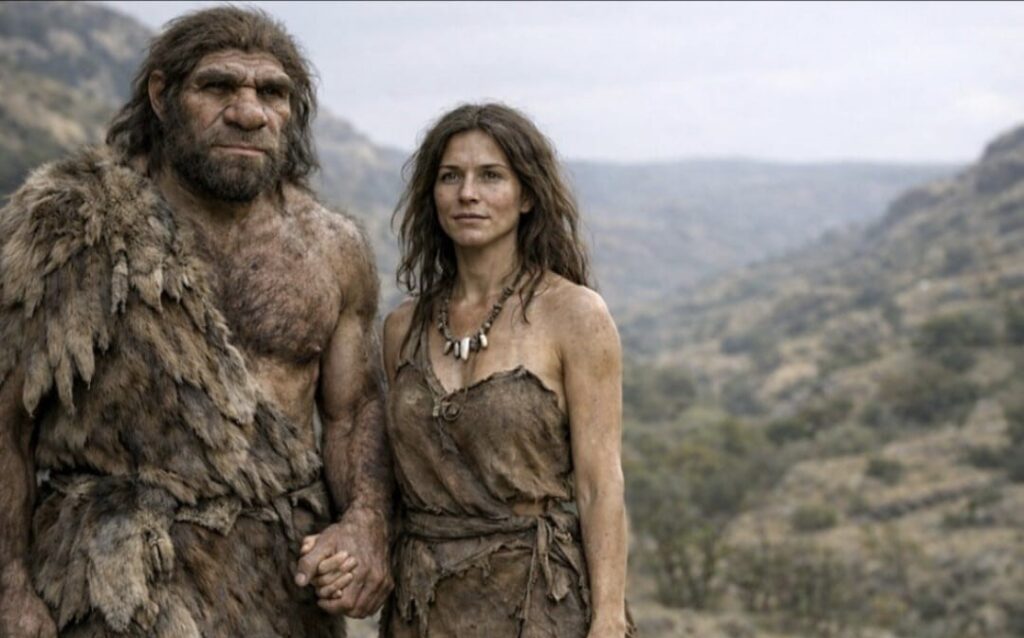
    What happened when all these different humans met? They competed, they fought, and they also fell in love. When early Homo sapiens migrated out of Africa around 60,000 years ago, they walked straight into Neanderthal territory in Europe and the Middle East. For thousands of years, they shared the same caves, hunted the same mammoths, and occasionally clashed. But they also mated. If you have European or Asian ancestry, about 1.5 to 2.5 percent of your genome is Neanderthal—a living inheritance from those ancient encounters. In fact, interbreeding happened on at least three separate occasions. The same is true for Denisovans: modern Papuans, Aboriginal Australians, and Filipinos carry up to five percent Denisovan DNA, including that high-altitude gene. Even in Africa, our ancestors mated with unknown “ghost” hominins whose fossils we haven’t even found. These hybrids were not sterile or disadvantaged. Many of those inherited genes boosted immune systems, improved fat metabolism, and helped our ancestors adapt to new environments. We are not pure Homo sapiens; we are walking mosaics, hybrid descendants of several lost lineages. The other species were not simply wiped out—they were, in many ways, absorbed into us.

    Despite this intermingling, all those other human species eventually disappeared, leaving us alone. The final chapter belongs to the Neanderthals, who made their last stand in southern Iberia around 39,000 years ago. The period between 50,000 and 30,000 years ago was a crucible. Climate change was relentless, with wild swings between freezing glacial periods and warmer spells that Neanderthals, as cold-weather specialists, struggled to endure. A massive volcanic eruption in Italy around 40,000 years ago triggered a volcanic winter, dropping temperatures across Europe for years and devastating already stressed populations. Neanderthals had also suffered a severe genetic bottleneck around 75,000 years ago, leaving them dangerously inbred and vulnerable. Meanwhile, Homo sapiens arrived with decisive advantages: larger social networks that traded resources across hundreds of miles, advanced projectile weapons for safe hunting, and a generalist diet that could adapt to almost anything. We also simply outnumbered them—perhaps ten to one. When you pour a glass of wine into the ocean, the wine is still there, but the ocean swallows it. That is likely what happened to the Neanderthals: they were slowly out-bred, out-competed, and absorbed into our swelling population.

    But there is one more thread connecting all these species, one humble, universal human act they all likely shared: cooking. Roasting, to be precise. Long before pottery, early humans discovered that throwing meat or roots into hot embers transformed it—making it softer, safer, and far more delicious. Homo erectus likely pioneered this revolution around 1.8 million years ago, and his smaller teeth and weaker jaws are biological proof. Neanderthals left direct evidence of roasted vegetables in the plaque on their teeth. Denisovans, though we have no fire pits from them, genetically lacked the powerful chewing muscles of raw-food eaters. Homo heidelbergensis built hearths, and the “Hobbits” of Flores had fire and butchered animals for roasting. Only Paranthropus boisei, with his massive jaws, seems to have stuck to raw vegetation. Imagine: 100,000 years ago, a Neanderthal family roasting a bison leg in a French cave, a Homo sapiens group tending a wildebeest haunch in Africa, and a Denisovan turning a wild sheep over embers in Siberia. They never met, yet they all shared the same primal ritual—sitting around a fire, waiting for dinner.

    So why only us? We were not the strongest—Neanderthals were far more muscular. We were not the most specialized—Denisovans had mastered altitude. What we had was flexibility: we could eat anything, live anywhere, and connect with strangers across vast distances. We were the ultimate generalists, and when the climate turned chaotic, our adaptability became our superpower. But luck played a role too. Every person alive today carries within their DNA the ghost of multiple human species. Neanderthals, Denisovans, and unknown African lineages live on in our genes, whispering their ancient stories. We are their legacy, their hybrid children, and their graveyard. The next time you sit around a fire, grilling dinner with friends, remember: you are performing a ritual shared by at least half a dozen human species who are now gone. We are the last ones left—but we are not alone in our past. EK

  • Some of our best solutions arrive after a good night’s sleep, not after another hour of stress

    Modern life celebrates relentless effort. We admire those who work through the night, answer emails at midnight, and wear exhaustion as a badge of commitment. Yet neuroscience tells a different story. One of the most powerful tools for learning, creativity, emotional resilience, and problem-solving is not another hour of work, but a good night’s sleep. The irony is profound: while we are asleep and seemingly doing nothing, the brain is often accomplishing some of its most important work.

    Far from switching off, the sleeping brain becomes an extraordinarily active workshop. Freed from the endless demands of conscious attention, it begins to organize the day’s experiences. Memories are sorted, emotions are reviewed, information is reorganized, and connections are forged between ideas that may have seemed unrelated while we were awake. Sleep is not an interruption to thinking; it is an essential part of thinking itself.

    Deep, slow-wave sleep acts as the brain’s nightly filing system. During this stage, newly acquired information is consolidated into long-term memory. Important experiences are strengthened, while much of the day’s irrelevant detail is weakened or discarded. This selective process allows the brain to identify patterns, extract general principles, and transform isolated facts into usable knowledge. The result is improved learning, sharper judgment, and better performance the following day.

    REM (Rapid Eye Movement) sleep performs a different but equally remarkable function. Activity in the brain’s dorsolateral prefrontal cortex—the region responsible for logical reasoning, planning, and self-monitoring—is reduced. At the same time, brain regions involved in memory, emotion, and association remain highly active. With the brain’s internal critic temporarily quietened, memories and ideas combine in unexpected ways. Novel connections emerge, creativity flourishes, and problems that resisted deliberate analysis often yield fresh perspectives. It is no coincidence that people frequently wake with a solution that had eluded them the previous evening.

    This phenomenon has been recognized throughout history. The Russian chemist Dmitri Mendeleev is said to have conceived the arrangement of the periodic table after sleeping on the problem. August Kekulé famously attributed his insight into the ring structure of benzene to a dream of a snake biting its own tail. Nobel laureate Otto Loewi awoke from a dream with the idea for the experiment that demonstrated chemical communication between nerve cells. Whether embellished by time or not, these stories capture a truth repeatedly confirmed by modern research: after the conscious mind steps aside, the sleeping brain often continues searching for answers.

    Scientists describe this process as the incubation effect. When we immerse ourselves in a difficult problem and then allow time for sleep, the brain continues processing information unconsciously. It reorganizes memories, detects hidden relationships, and tests new combinations of ideas beyond the limits of conscious awareness. The solution does not appear by magic; it emerges because the brain has continued working while we rested.

    Sleep also performs another indispensable task: emotional regulation. During REM sleep, emotionally charged experiences are revisited in a safer neurochemical environment. The memories remain, but their emotional sting is often softened. This allows us to wake with greater perspective, calmer judgment, and an improved ability to make balanced decisions. Problems that seemed overwhelming late at night often appear manageable after a restful sleep, not because the world has changed, but because our brain has processed both the facts and the feelings associated with them.

    Contrary to popular belief, the brain never truly rests. It continues to regulate breathing, heartbeat, hormone secretion, immune function, and countless other vital processes throughout the night. It also activates the brain’s glymphatic system, which clears metabolic waste that accumulates during wakefulness. Sleep is therefore not a period of inactivity but a carefully orchestrated cycle of maintenance, restoration, and optimization. The brain does not rest by becoming inactive; it rests by changing its work.

    Unfortunately, modern society often undervalues sleep. Longer working hours, constant digital connectivity, and the expectation of immediate responses encourage people to sacrifice sleep in pursuit of productivity. Yet sleep deprivation impairs attention, weakens memory, reduces creativity, destabilizes emotions, and increases the likelihood of poor decisions. The tired brain works harder while accomplishing less. It struggles to recognize patterns, suppress distractions, and think flexibly—all qualities essential for solving complex problems.

    The lesson is both simple and profound. Persistence certainly matters, but there comes a point when another hour of anxious effort yields diminishing returns. Instead of pushing a fatigued brain beyond its limits, it is often wiser to pause, sleep, and allow the brain’s remarkable nocturnal processes to do what they have evolved to do over millions of years. Many breakthroughs are born not from relentless wakefulness but from restorative sleep.

    Perhaps the greatest irony is that one of the most productive things we can do is to stop working. While our body lies still, the brain quietly consolidates knowledge, filters distractions, processes emotions, uncovers hidden patterns, and explores creative possibilities. By morning, what seemed impossible may have become obvious.

    Some of our best solutions arrive after a good night’s sleep, not after another hour of stress. PT

  • Journey of Human Evolution: From Fire to Culture

    Human evolution is a story of branching paths, survival, and extinction, stretching back millions of years and culminating in the emergence of Homo sapiens as the only surviving human species today. The journey begins with early hominins such as Sahelanthropus tchadensis, who lived around seven million years ago and may have walked upright, and Ardipithecus ramidus, who combined arboreal life with bipedal traits. These species laid the foundation for the australopithecines, including Australopithecus afarensis, famously represented by the fossil “Lucy,” which showed clear evidence of habitual bipedalism. Alongside them, the robust Paranthropus line evolved powerful jaws and teeth adapted for chewing tough vegetation. While successful for over a million years, Paranthropus ultimately became an evolutionary dead end, leaving no descendants.

    The genus Homo marked a turning point. Around 2.4 million years ago, Homo habilis appeared, earning the nickname “handy man” for its use of stone tools. Soon after, Homo erectus emerged, lasting from about 1.9 million years ago until as recently as 110,000 years ago. This species was revolutionary: it had modern‑like body proportions, walked fully upright, and was the first to migrate out of Africa, spreading into Asia and Europe. Homo erectus also pioneered the use of fire, a technology that transformed human life. Fire allowed cooking, which made food easier to digest and more palatable, fueling brain growth. It provided warmth, protection from predators, and a social center around which groups could gather. This innovation was arguably the first great leap in human culture.

    From Homo erectus descended Homo heidelbergensis, living between 600,000 and 200,000 years ago. In Africa, this species gave rise to Homo sapiens, while in Europe it evolved into Neanderthals, and in Asia into Denisovans. Neanderthals thrived in Ice Age Europe, adapting to cold climates with stocky builds and sophisticated tools. They were skilled hunters and used fire extensively, not only for cooking but also for warmth and survival. Denisovans, known mainly from genetic evidence and a few fossils in Siberia, were close relatives of Neanderthals and likewise relied on fire in their harsh environments. Both species interbred with Homo sapiens, leaving genetic legacies that persist today. Neanderthal DNA contributes to traits such as immunity and skin pigmentation, while Denisovan DNA provides adaptations like high‑altitude tolerance in populations of Tibet and Melanesia.

    Despite their success, Neanderthals and Denisovans eventually went extinct, around 40,000 and 50,000 years ago respectively. Homo heidelbergensis had already disappeared earlier, leaving Homo sapiens as the sole surviving branch. Our species emerged in Africa about 300,000 years ago and began migrating out of the continent around 70,000 years ago, long after Homo erectus had already pioneered such journeys. Unlike other hominins, Homo sapiens developed advanced language, symbolic thought, art, and complex social structures. These innovations allowed greater adaptability, cooperation, and cultural transmission, giving us a decisive edge in competition for resources. The ability to form large, interconnected groups and share knowledge across generations enabled rapid technological progress, from sophisticated tools to cave paintings and eventually agriculture.

    The survival of Homo sapiens while other hominins vanished was not inevitable. For hundreds of thousands of years, multiple human species coexisted, sometimes in the same regions. Yet our adaptability, innovation, and capacity for symbolic communication set us apart. Interbreeding with Neanderthals and Denisovans enriched our genetic diversity, but ultimately only Homo sapiens endured. Today, we carry within us echoes of those extinct relatives, reminders that human evolution was not a straight line but a branching tree with many experiments in survival. The story of Homo erectus taming fire, of Neanderthals thriving in Ice Age Europe, and of Denisovans adapting to high altitudes all highlight the resilience and ingenuity of our ancestors. Their legacies live on in our DNA, our cultures, and our technologies, making human evolution a tale not just of survival but of transformation. OT