
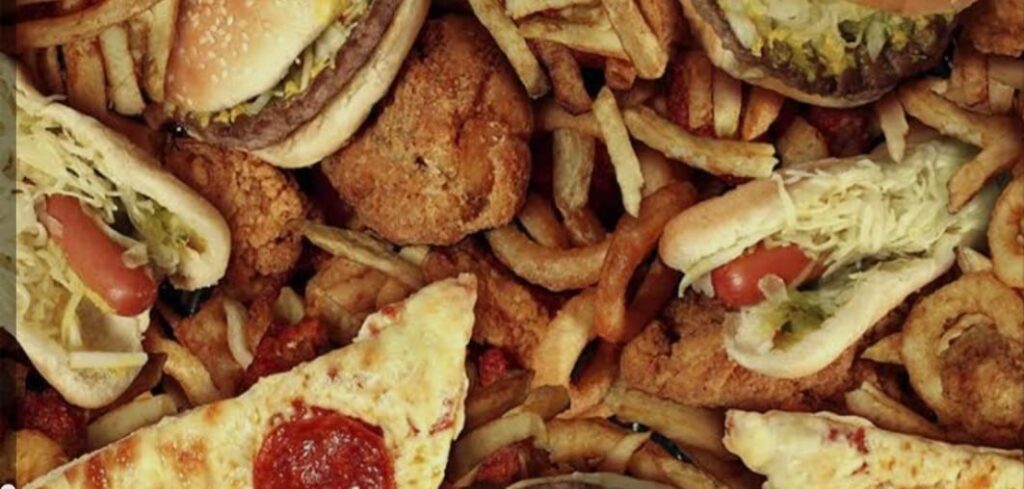
Every day, millions of South Asian households unknowingly cook with, snack on, and feed their children a substance that is part nutritional poison and part industrial heavy-metal waste. Hydrogenated Oil or Vanaspati, universally known by the brand name Dalda, is marketed as a cheap, shelf-stable alternative to desi ghee. But beneath its golden, buttery facade lies a chemical abomination that no human digestive system was ever designed to process. To call it the worst food ever produced is not alarmist rhetoric; it is a sober scientific verdict backed by decades of cardiological and toxicological research. This is not merely unhealthy food. This is edible industrial sludge, legally passed off as a cooking fat.
The creation of this ‘sludge’ begins with healthy liquid vegetable oils, such as palm or soybean oil, which are rich in unsaturated long-chain fatty acids known to support heart health. To transform these liquids into a semi-solid block that mimics the texture of ghee, manufacturers blast them with hydrogen gas at extremely high temperatures in the presence of powdered nickel catalyst. This hydrogenation process forces the oil to harden, but in doing so, it creates artificial trans fats, molecular misfits that your body does not recognize. Unlike natural fats, these trans isomers jam your metabolic machinery, raising bad LDL cholesterol while simultaneously crashing good HDL cholesterol. The World Health Organization has calculated that consuming just two grams of artificial trans fat per day, a trivial amount easily found in a single samosa fried in Dalda, increases your risk of heart disease by nearly a quarter. No other dietary component delivers such a potent cardiovascular blow at such a minuscule dose.
However, the nutritional catastrophe is only half the story. What makes Vanaspati uniquely sinister, and what separates it from other processed foods, is the toxic heavy metal that remains trapped within its fatty matrix. The nickel catalyst used to force hydrogen into the oil is never fully filtered out. Regulatory bodies like the FSSAI permit a residual nickel content of up to one part per million, but this is a legal limit, not a physiological safety threshold. Filtration is a physical process, and straining microscopic metal dust out of a thick, greasy block is commercially impossible. In practice, particularly in unregulated small-scale mills, the residual nickel can climb far higher. When you eat Vanaspati, you are not just ingesting damaged fats; you are ingesting a known carcinogenic heavy metal that slowly leaches into your body over hours of digestion. The acidic environment of the stomach releases ionic nickel from these trapped particles, generating massive oxidative stress that directly damages DNA and inhibits the body’s natural repair mechanisms.
The consequences of this chronic metal exposure are terrifyingly broad. The International Agency for Research on Cancer classifies nickel compounds as Group 1 carcinogens, with chronic oral intake specifically linked to gastrointestinal and colorectal cancers. But cancer is merely the endpoint of a long cascade of damage. Nickel bioaccumulates in human tissue, with a biological half-life of up to four decades. It primarily deposits in the kidneys, where it induces proximal tubular necrosis, and in the liver, leading to interstitial fibrosis over time. Dermatologists across the subcontinent frequently see patients with unexplained hand and foot eczema, a manifestation of systemic nickel allergy syndrome exacerbated by dietary intake. Respiratory irritation, chronic organ scarring, and mitochondrial dysfunction are all well-documented outcomes of low-level, long-term nickel exposure. The tragedy is that this metal residue is entirely avoidable, yet it remains a silent, invisible contaminant in millions of daily meals.
What makes this situation even more insidious is the synergistic destruction caused by the combination of trans fats and heavy metals. The artificial trans fats compromise the integrity of your cell membranes, making them more permeable and less selective. Through these weakened barriers, nickel ions slip directly into the mitochondria, the power plants of your cells. Once inside, nickel displaces essential minerals like magnesium and zinc from enzymatic sites, crippling energy production and triggering ferroptosis, a highly inflammatory form of cell death. This is not a theoretical risk; it is a daily, ongoing biological assault occurring in the bodies of millions.
Perhaps most frustrating is the regulatory charade. Food inspectors in India and Pakistan routinely test for trans-fat content but rarely, if ever, test for heavy metal residues in the final retail product, as such analysis using atomic absorption spectroscopy is expensive and time-consuming. We have created a food that is simultaneously atherogenic, carcinogenic, and hepatotoxic. It damages the heart, poisons the liver, scars the kidneys, and mutates the DNA—all in one inexpensive, widely available package. The only sane response is to treat Dalda or Vanaspati not as food, but as industrial waste.
Leave a Reply