
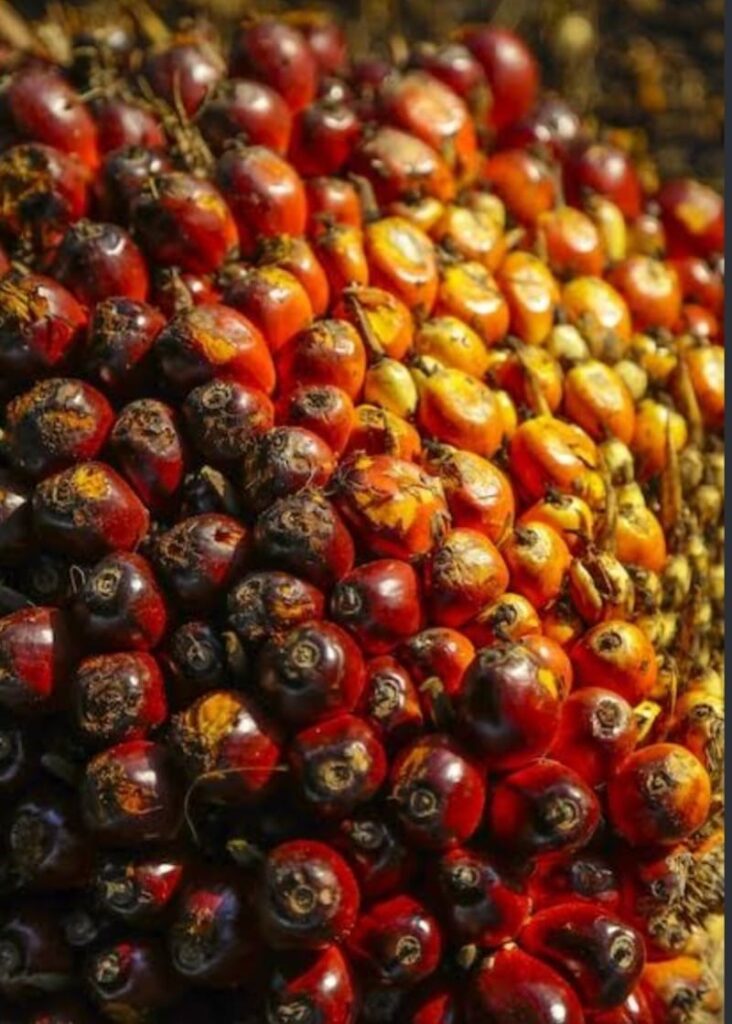
Walk down the cooking oil aisle of any grocery store, and you will notice a distinct hierarchy of virtue. Extra virgin olive oil is treated like liquid gold, canola oil is marketed as the logical choice for a heart-healthy life, and palm oil is almost entirely invisible, tucked away inside the ingredient lists of processed snack foods. In food media, palm oil is routinely cast as a nutritional villain—a cheap, artery-clogging sludge that is best avoided. But if you strip away the loud geopolitical rhetoric and look strictly at the underlying biochemistry, a completely different story emerges. The relentless vilification of palm oil has far less to do with its actual impact on human health and far more to do with its unforgivable sin in the global marketplace: it is simply too inexpensive.
To truly understand palm oil, one must first look at how it compares to traditional culinary darlings like ghee or clarified butter.. For generations, clarified butter has been praised for its rich flavor and high smoke point, despite being an animal fat consisting of up to seventy-two percent saturated fat. Ghee is also heavily loaded with systemic cholesterol, containing nearly three hundred milligrams per hundred grams. Palm oil, by contrast, is a purely plant-derived lipid. It contains zero milligrams of cholesterol. More surprisingly, its saturated fat content hovers between forty-five and fifty-one percent. While it lacks the quick-burning short and medium-chain fatty acids that give ghee its rapid digestibility, palm oil cleverly compensates for this gap through its unique unsaturated structure. It balances its saturated palmitic acid with a massive volume of monounsaturated oleic acid—the exact same heart-healthy fat that dominates olive oil—and double to triple the polyunsaturated linoleic acid found in dairy fats.
When palm oil is fractionated into its liquid form, known as palm olein, it becomes an even more formidable competitor to Western seed oils. Palm olein drops its saturated fat content significantly, settling into a stable sweet spot of roughly forty percent saturated and forty-five percent monounsaturated fat. This structural blueprint gives it a profound advantage over highly unsaturated options like canola oil when exposed to intense heat. Canola oil boasts a low saturated fat profile, but its high concentration of polyunsaturated fats makes it chemically fragile. When subjected to prolonged industrial deep-frying, canola oil oxidizes rapidly, generating toxic polar compounds. Palm olein resists this degradation entirely. It behaves with the molecular stamina of an animal fat, resisting rancidity and heat damage, all while keeping its systemic cholesterol at zero. Clinical trials comparing palm olein to olive oil have shown remarkably similar outcomes regarding overall weight and metabolic markers. While palmitic acid can prompt the liver to produce more LDL cholesterol, the accompanying oleic acid concurrently stabilizes HDL cholesterol, rendering the oil’s impact on blood lipids generally neutral to mildly positive when consumed as part of a balanced diet.
Why, then, does the narrative surrounding palm oil remain so toxic? The answer lies in botanical efficiency. The oil palm is a geometric miracle of agriculture, yielding anywhere from four to ten times more oil per hectare than soy, sunflower, or canola. Because it requires a fraction of the land and labor to produce a metric ton of oil, it completely undercuts the pricing of Western-produced agricultural oils. Unable to compete on price, domestic market interests and environmental campaigns aligned, aggressively highlighting the ecological footprint of tropical deforestation. Over time, this valid environmental critique was subtly conflated with nutritional toxicity in the minds of consumers. This bias was further cemented by how palm oil arrives on Western plates. It is rarely sold as a clear, liquid bottle of cooking oil for home use; instead, it is imported as a cheap structural replacement for banned trans-fats in ultra-processed junk foods like cookies, instant noodles, and frozen pizzas. As a result, observational health studies frequently link palm oil consumption to poor cardiovascular health, failing to note that palm oil consumption is merely a proxy marker for a diet heavy in processed foods. When utilized cleanly as a domestic frying oil, palm olein is not a dietary hazard, but a stable, reliable, and perfectly healthy staple that easily holds its ground against its more expensive peers. LE
Leave a Reply