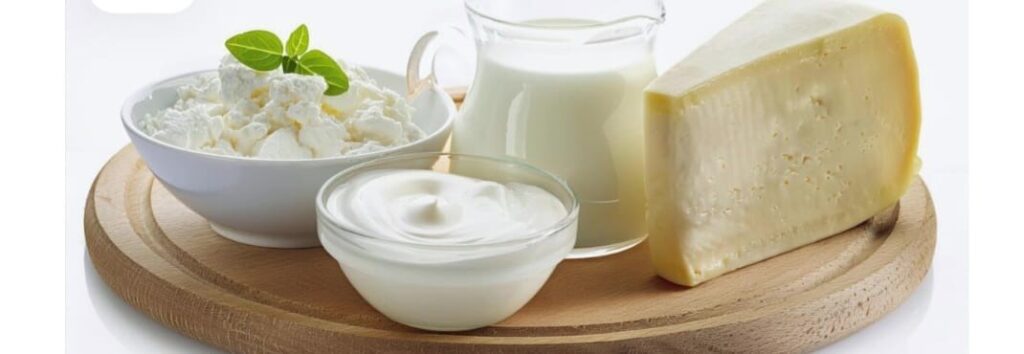
Whole milk has long been recognized as a complete food, yet modern nutrition guidelines and industry practices have pushed consumers toward skimmed milk and butter, each of which is nutritionally deficient in its own way. This shift reflects not only public health messaging but also the economic strategies of the dairy industry, which benefits from selling milk in fractions rather than in its natural form. The result has been decades of confusion about what constitutes “healthy” dairy consumption, with fortification programs attempting to patch the gaps left by industrial processing.
Whole milk contains a balanced profile of protein, lactose, calcium, phosphorus, and milk fat. The fat portion is not merely an indulgence; it carries fat‑soluble vitamins A, D, E, and K, and aids their absorption. Short‑ and medium‑chain fatty acids in milk fat are metabolized quickly and provide energy without the same cardiovascular risks associated with long‑chain saturated fats and trans fats found in hydrogenated oils. In traditional diets, whole milk and ghee were considered nourishing staples, valued for their completeness rather than feared for their fat content. Curd made from whole milk adds probiotic cultures, improves digestibility, and enhances bioavailability of calcium and B‑vitamins, making it one of the most balanced foods in Indian cuisine.
By contrast, skimmed milk retains protein and calcium but strips away the fat and fat‑soluble vitamins. Butter, on the other hand, concentrates milk fat but loses protein, calcium, and water‑soluble vitamins. Each is a fraction of the whole, and neither can claim to be a complete food. Fortification of skimmed milk with vitamin D was introduced to ensure calcium absorption remained efficient, but this is essentially a corrective measure for a deficiency created by processing. Butter, marketed as a premium indulgence, is energy‑dense but nutritionally incomplete. Together, skimmed milk and butter represent industrial compromises rather than natural nourishment.
The push toward low‑fat dairy was shaped by mid‑20th century public health concerns about heart disease. Saturated fat reduction became a blanket recommendation, and dairy boards adapted by marketing low‑fat milk as the “safe” option while continuing to sell butter as a luxury. This dual strategy allowed them to maximize revenue streams, appealing to both health‑conscious consumers and those seeking indulgence. Fortification of low‑fat milk with vitamin D ensured that bone health benefits were preserved, even as fat was reduced for cardiovascular protection. Yet the nuance—that milk fat is largely short‑chain and more digestible than industrial fats—was lost in the simplification of guidelines.
In India, the rise of toned and double‑toned milk in the 1970s exemplifies this dynamic. Urban consumers were encouraged to see these products as modern and heart‑friendly, while butter and ghee continued to be marketed as cultural staples. Policy simplification lumped ghee together with vanaspati under the broad category of “saturated fat,” despite their very different metabolic effects. This blurred distinction reinforced the narrative that all saturated fats were harmful, sidelining traditional wisdom that recognized the nourishing qualities of whole milk and ghee. Many households, however, continued to trust whole milk and curd as “real food,” resisting the industrial narrative.
The broader lesson is that nutrition science and industry economics often intertwine in ways that shape public perception. Skimmed milk and butter are not inherently harmful, but they are incomplete. Whole milk and curd made from whole milk remain closer to nature’s design, offering a synergy of nutrients that fortification programs can only attempt to replicate. The dairy industry’s promotion of fractionated products reflects both market logic and public health messaging, but it does not erase the fact that whole milk is nutritionally superior in completeness.
Consumers today face a choice between convenience and tradition, between industrially processed fractions and naturally balanced foods. While guidelines continue to emphasize fat reduction, it is worth remembering that not all fats are equal, and that milk fat differs significantly from the long‑chain saturated fats in hydrogenated oils. Whole milk and curd made from whole milk embody a nutritional integrity that skimmed milk and butter cannot match. Recognizing this is not nostalgia but a rational assessment of food completeness. In the end, the right food is the one that preserves the natural balance of nutrients, and in the case of dairy, that means whole milk and curd.
Leave a Reply