
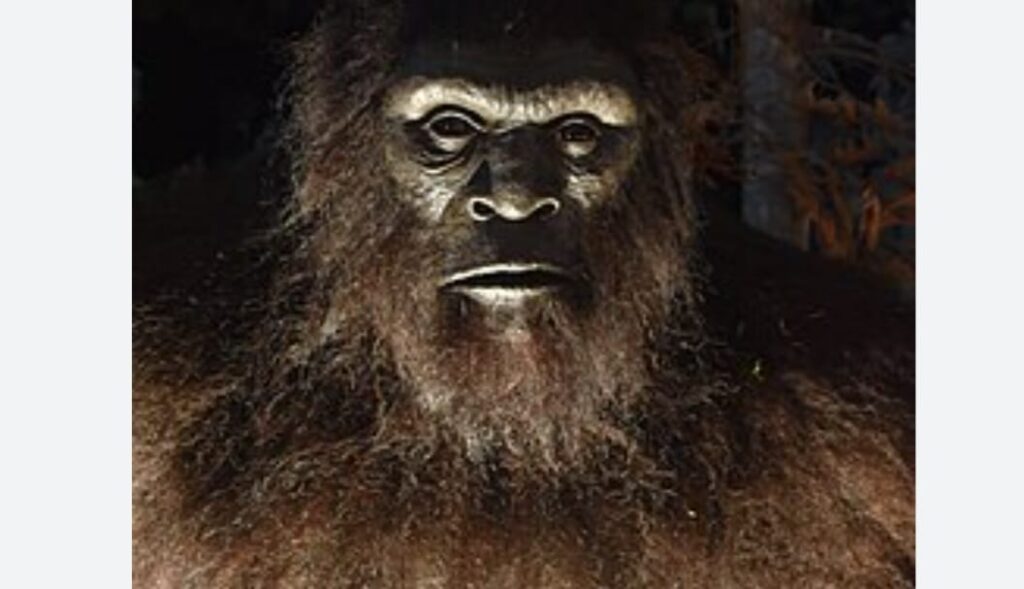
The existence of Bigfoot, or Sasquatch, remains one of the most enduring modern myths, largely sustained by folklore, anecdotal sightings, and cultural fascination rather than empirical data. From a scientific perspective, the consensus is clear: there is no verifiable physical or genetic evidence to support the existence of a large, undiscovered primate in North America. Despite decades of dedicated searches, the scientific community attributes the phenomenon to a combination of misidentification of known animals, psychological factors, and deliberate hoaxes. The most significant hurdle for the existence of Bigfoot is the complete lack of physical remains. In biology and paleontology, the existence of a species is confirmed through holotypes—physical specimens that serve as the standard for the species. No bones, teeth, or fossilized remains of a giant primate have ever been discovered in North America. The fossil record is extensively studied, and while it shows a rich history of megafauna, it is entirely devoid of any large, bipedal apes. Furthermore, no carcass of a Bigfoot has ever been found by hunters, hikers, or scientists, nor has one ever been struck by a vehicle, despite the extensive road networks penetrating deep into forested areas.
This absence of physical evidence is compounded by the fundamental principles of conservation biology, specifically the concept of the Minimum Viable Population. For a breeding population of large primates to exist in North America and survive over the long term without succumbing to inbreeding depression or environmental fluctuations, it would require thousands of individuals to maintain genetic viability. If the population were small enough to somehow remain hidden, it would quickly face extinction due to a lack of genetic diversity, a phenomenon well-documented in endangered species. A population of thousands of individuals would exert a massive ecological footprint that is impossible to miss in the twenty-first century. A primate weighing between six hundred and eight hundred pounds would require roughly five thousand to ten thousand calories daily. Thousands of such creatures would leave undeniable evidence of foraging, predation, and competition with known megafauna like bears. They would also produce tons of biological waste annually. Yet, in decades of forest service surveys and wildlife research, no scat has ever yielded unknown primate DNA. Furthermore, with millions of trail cameras, high-resolution satellite imagery, and thermal drones monitoring our wilderness, a breeding population would inevitably be captured on high-quality media.
The advent of advanced genetic testing, particularly environmental DNA (eDNA) and mitochondrial DNA analysis, has allowed scientists to definitively test biological samples attributed to Bigfoot, and the results have consistently pointed to known animals. One of the most rigorous scientific investigations was conducted by geneticist Bryan C. Sykes and his team, published in the Proceedings of the Royal Society B in 2014 . The researchers successfully sequenced the mitochondrial DNA of thirty hair samples claimed to belong to anomalous primates. The results showed that every single sample matched known mammals, such as black bears, brown bears, wolves, coyotes, deer, and even humans. Recent advancements in eDNA allow scientists to detect the presence of species in an ecosystem by analyzing water or soil samples for shed genetic material. Extensive eDNA surveys conducted in the Pacific Northwest and other purported Bigfoot habitats have successfully cataloged the biodiversity of these regions, detecting rare and elusive species, yet these surveys have never yielded DNA from an unknown primate.
The Bigfoot legend has been heavily fueled by deliberate hoaxes and the psychological phenomenon of pareidolia, where people perceive familiar patterns, like a human figure, in random stimuli. The modern Bigfoot craze was largely sparked by large footprints found at a construction site in Bluff Creek, California, in 1958, which were later revealed to be a prank carved from wood by a construction worker. Similarly, the famous 1967 Patterson-Gimlin film, often cited as visual evidence, has been heavily scrutinized by experts in biomechanics and primatology, who note that the figure’s proportions and movements are entirely consistent with a human wearing a costume . Other highly publicized claims, such as the 2008 “Georgia Bigfoot Body,” were quickly exposed as rubber suits stuffed with animal parts . Many legitimate sightings are simply the misidentification of known animals, particularly black bears, whose silhouette can appear remarkably human-like when standing on their hind legs. Ultimately, the scientific method relies on empirical, verifiable evidence. The biological “null hypothesis” remains unchallenged: the lack of evidence for such a large-scale ecological presence confirms the creature is a product of folklore rather than biology. US
Leave a Reply